
Brooks County Arrest Warrants Start With a Magistrate
Texas Code of Criminal Procedure Article 15.01 defines an arrest warrant as a written judicial order directing an authorized officer to arrest a person accused of an offense. A complaint or affidavit supplies the basis. The magistrate reads that filing for probable cause. In Brooks County, which court issues the order depends on the case level. Don't confuse the two instruments, either. A search warrant authorizes a search and follows a different legal and records path. Ask the clerk which instrument appears in the docket, and read Texas Code of Criminal Procedure Chapter 15, which sets out the arrest-warrant procedure.
Arrest Warrants in Brooks County
A Brooks County arrest can arise from district, county, JP, or municipal matters. The magistrate reviews the required complaint or affidavit. If it meets the legal standard, the order issues. A public portal may show that issuance event while keeping the supporting facts out of view. The underlying case stays with the court holding jurisdiction. Service may go to the sheriff or another peace officer, but the clerk records the court events, and only the judge controls recall.
Brooks County Warrant Files Follow Court Level
A felony file in Brooks County lands with the 79th Judicial District Court and the District Clerk. A misdemeanor at the county level goes to County Court and the County Clerk instead. Below that, JP1, JP2, and Falfurrias Municipal Court handle the lower-court cases that fall inside their own jurisdiction. One person can leave a paper trail at more than one level, so check each court that might hold your file. For felony and open searches, the District Clerk points people to districtclerk@co.brooks.tx.us. The County Clerk, meanwhile, advertises public criminal record searching through county e-services. Call whichever clerk you plan to use before assuming one portal covers a different court. The Brooks County 79th District Court page posts the court's own local contact details.
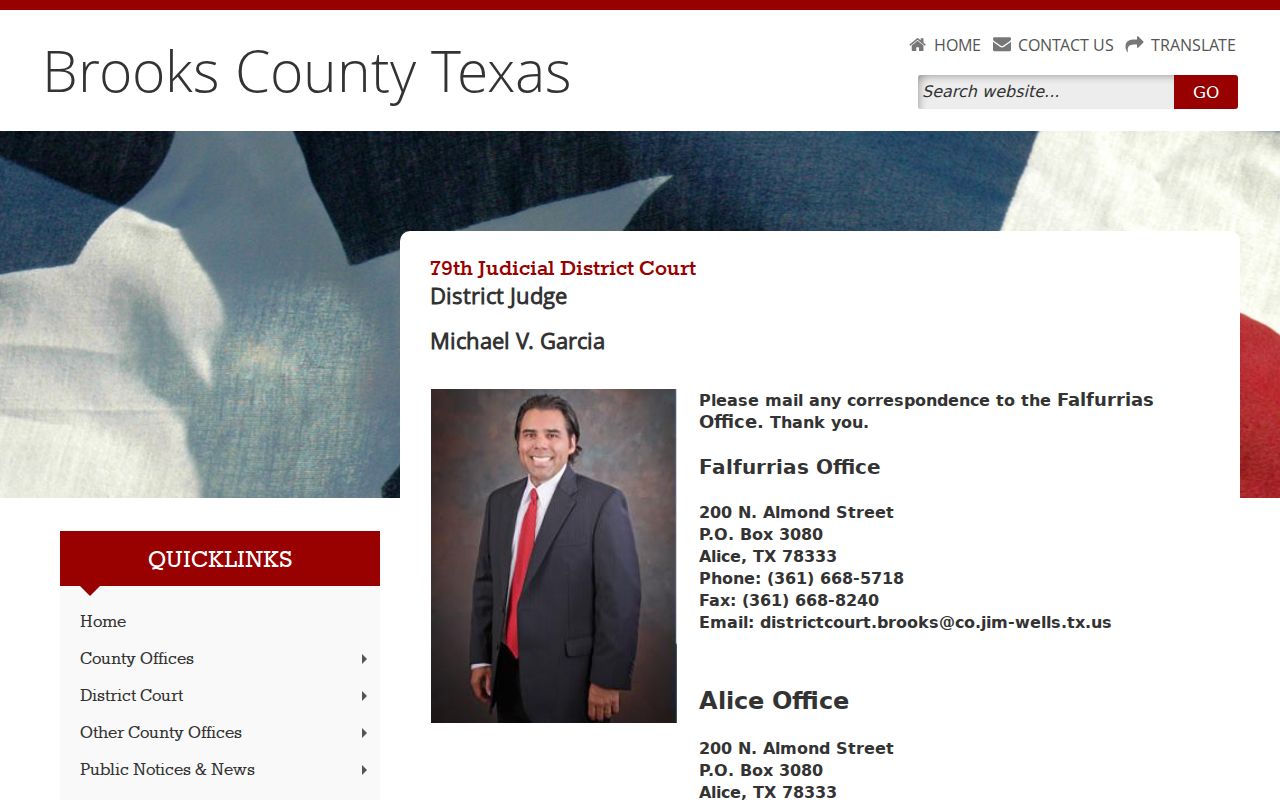
The court page is a contact and calendar source, not an active-warrant roster.
What a Brooks County Arrest Warrant Contains
Texas law describes the core information a warrant carries. Brooks County publishes no sample warrant form and no local number format. For an existing case, ask the clerk what information is public and which identifier ties the order to the docket.
| Identifier | Format not published Ask for the cause or court file number. |
|---|---|
| Accused person | The order identifies the person by name or a legally sufficient description. |
| Offense | The alleged offense stated in the order or related case record. |
| Issuing authority | The judge or magistrate and court with jurisdiction. |
| Issue date | Ask the clerk for the date the court entered the order. |
| Return / bond | Request any public execution return and current bond information from the court. |
Brooks County Warrant Service Has Separate Roles
In Brooks County, warrant service splits among several offices. The sheriff's page lists office, jail, and patrol contacts but no dedicated warrant division. Constables, Falfurrias police, and other authorized peace officers may also serve process. Which agency receives a particular order depends on court assignment, and no public page lays out a universal service workflow. For the court record, contact the issuing clerk. For service routing, call the sheriff's published office number at (361) 325-3696 x503. One call will not search county, city, state, federal, and out-of-state systems at once.
How Arrest Warrants Are Served
A sheriff, constable, municipal officer, or another authorized peace officer may execute the order. The issuing court then records the return. The two offices answer different questions: one can describe assignment, while the other confirms the docket, court setting, and recall. Ask both. After an arrest, request the issuing court, the charge, bond status, magistrate process, and next appearance. Brooks County has posted no universal bond counter, jail payment method, or response timeline. Falfurrias's municipal judge also serves as a magistrate for city arrests.
Brooks County Court Structure Separates Issuance
Brooks County splits its court work by level, and the Texas Judicial Branch lays out those roles statewide. District Court holds felony jurisdiction. County Court keeps the county-level records, JP1 and JP2 take justice-court matters, and Falfurrias Municipal Court handles city cases. Remember that a clerk's job differs from an officer's. A clerk can confirm an issue, return, or recall event on a warrant, yet may have no idea where an officer is assigned. The sheriff can route a service question but cannot change a judge's order. To see how those levels fit the local map, the Texas Judicial Branch court structure page explains each court's role in plain terms.
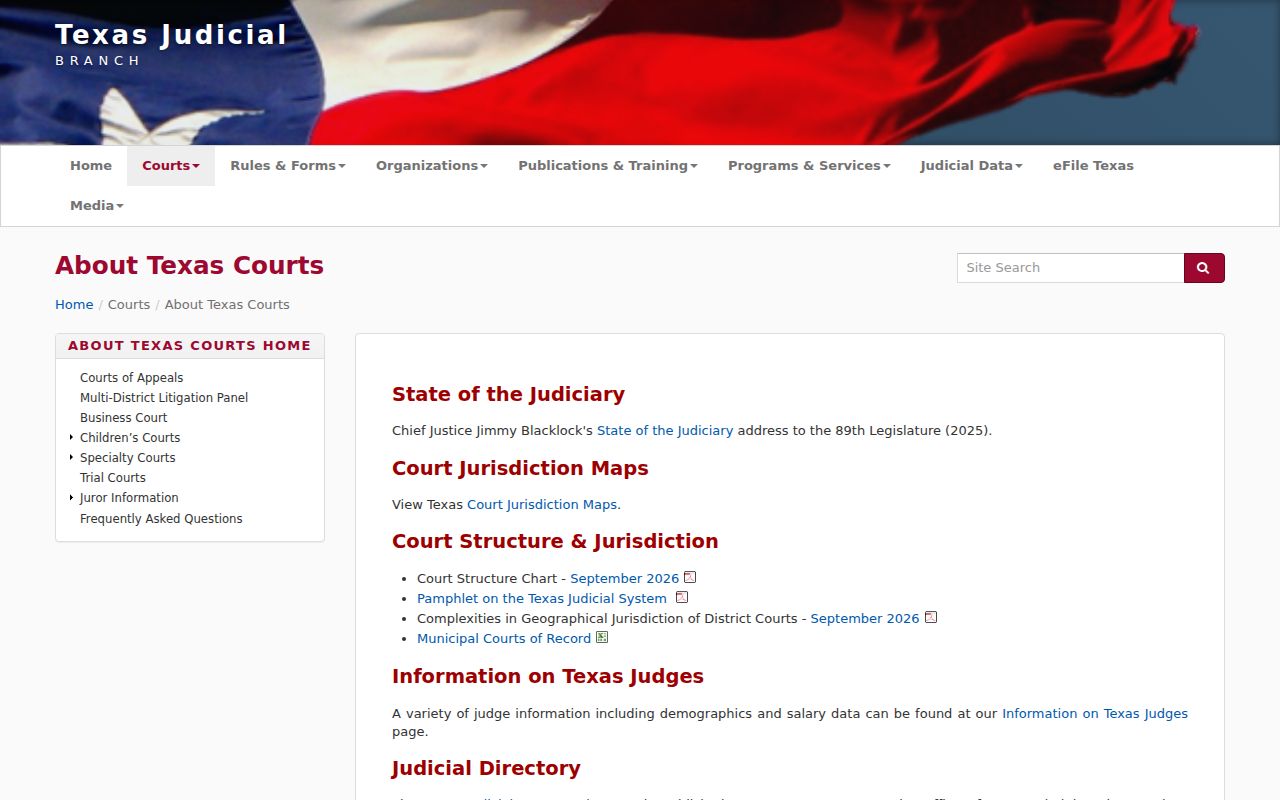
The state overview supplies context; the local clerk still identifies the case owner.
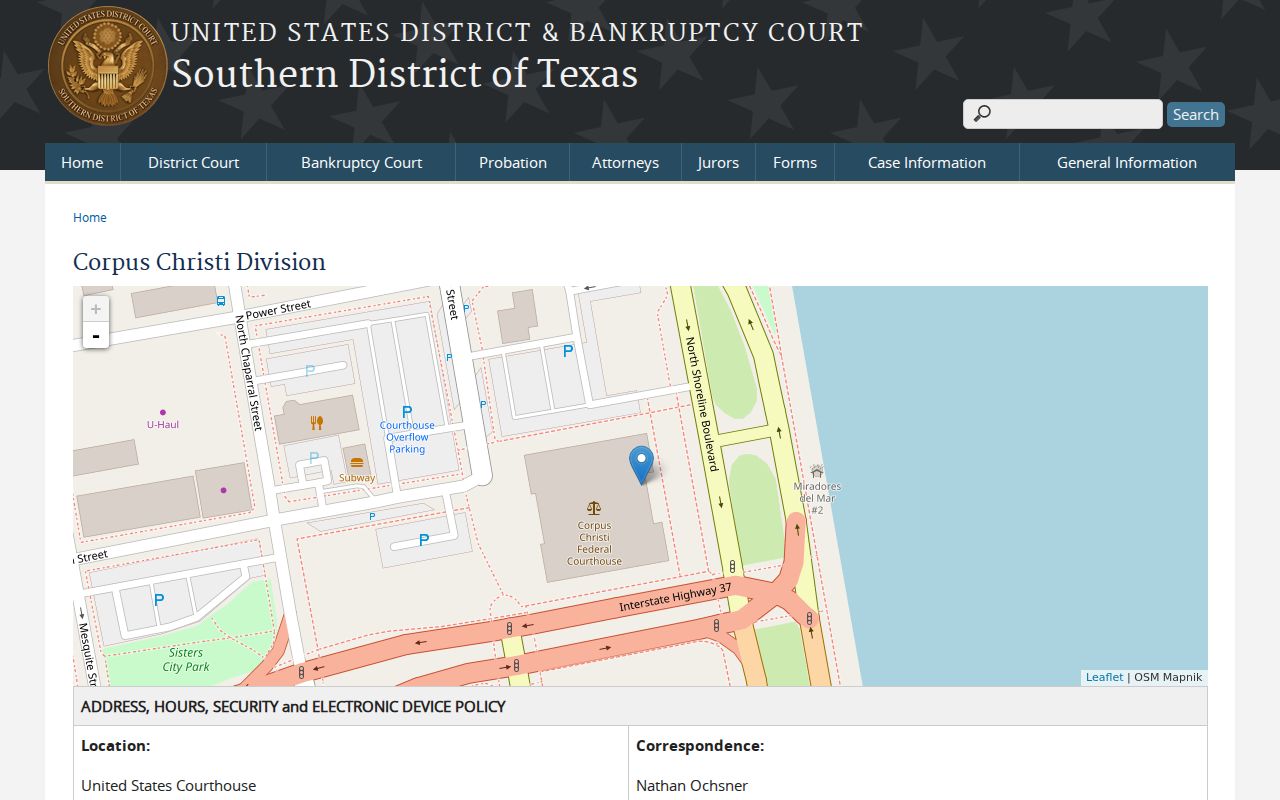
A federal case never touches Brooks County dockets; consult the Corpus Christi Division office information, since federal and county records use separate courts.
Arrest Warrant vs Summons vs Bench Warrant
A summons directs a person to appear. An arrest warrant authorizes custody. A bench-style process often follows a missed obligation in an existing case. Only the court can identify the actual instrument, and related bench-warrant steps follow the same case-level routing in Brooks County.
| Feature | Arrest Warrant | Summons | Bench Warrant |
|---|---|---|---|
| What it orders | Arrest under the order | Appear at a stated time | Arrest after a court obligation |
| Basis | Probable-cause procedure | Case-specific notice procedure | Missed appearance or compliance |
| Who issues it | Judge or magistrate | Court or authorized officer | Issuing court |
| How to respond | Confirm court and counsel route | Attend as directed | Ask about appearance or recall |
Executed Brooks County Warrants May Open Records
Article 15.26 addresses public access to an executed arrest warrant and its supporting affidavit, subject to other laws and court orders. A request should name the case, execution date, issuing court, and the specific records sought. Ask the Brooks County clerk separately for the warrant, the return, and the docket entry. Active investigative material may be withheld under the Public Information Act. Records may arrive redacted. Juvenile warrant materials stay confidential in ordinary public access. A broad request is not a same-day status check, and Code of Criminal Procedure Chapter 15 explains the executed-warrant rule.
What to Do If There Is a Warrant for You
Start by calling the court that issued the warrant. Ask which process type it is. Find out if an appearance is required, whether a voluntary appearance is an option, and whether bond has been set. For a felony arrest order, or any order you are unsure about, a lawyer can reach the District Clerk or the court to arrange a motion, a setting, or a controlled surrender. Brooks County posts no countywide walk-through procedure. Once the court acts, get written proof. Ask too whether the sheriff, city police, jail, or DPS needs its own update. A bond can secure release, but the criminal case keeps going, and release alone is neither a dismissal nor a recall of the warrant.
Important: If the charge or surrender route is unclear, ask counsel to confirm the court’s instructions before arranging an appearance.